

jeetbuzz payment methods determine how you move money into and out of your account, so treat the cashier as a practical checklist rather than a single button. Start at jeetbuzz2027.com to see which funding routes are shown for your account and region, since the displayed options can change. Before you commit funds, confirm the current terms for deposits, withdrawals, and any verification requirements that apply to you.
Contents
Understanding jeetbuzz payment methods
Think of the cashier as a map with several roads leading to the same destination. Each route—a bank card, an electronic wallet, or a digital asset—has its own steps, confirmation messages, and conditions attached to your account.

Your job is to read what appears on screen before you act, because the labels, icons, and instructions are the operator's way of telling you what is currently supported. Do not assume a method shown to another player will automatically appear for you, since availability can depend on your account status and location.
The cashier usually groups options by type, and those groups behave differently. Cards tend to follow familiar banking rails, while wallets route through a separate provider that may ask you to log in or approve a request.
Digital-asset routes often involve a wallet address and a network choice, which means an extra step where a mistake is possible. Recognizing which category you are using helps you anticipate what information the form will request and what confirmation you should expect before the transaction is complete.
Every payment route ends with a status you should watch. A deposit may show as pending, approved, or declined, and a withdrawal may move through review before it is released. These statuses are not decorative; they tell you whether to wait, retry, or contact support.
If a screen shows a reference number or confirmation code, keep it. That detail becomes your evidence if a transaction later appears missing or if you need to explain what happened to a support agent.
Payment methods also connect to account rules that sit outside the cashier. Verification steps, name matching, and limits can affect whether a route works for you on a given day. Read the current terms rather than relying on memory or on what another player reports, because conditions can be updated.
When something on the payment screen conflicts with your expectation, pause and check the terms or ask support before sending money, since reversing a completed transfer is rarely simple.
Finally, treat the cashier as a live interface rather than a fixed catalogue. Options can appear, disappear, or change their instructions, and the icons you see are a snapshot of what is available to you right now.
If a method you used before is absent, that does not necessarily mean it is gone forever; it may simply be unavailable for your account or region at this moment. Check again later or ask support for the current position rather than forcing a workaround.
Checking Available Funding Methods
Open the cashier while logged in and look at what is actually offered to your account rather than what you have read elsewhere. The list you see is the authoritative starting point, and it may differ from generic descriptions because eligibility depends on your profile and location.

Note the exact names and icons shown, since similar-sounding wallets or card brands can behave differently. If the page invites you to add a method, follow the prompts and read each field carefully before submitting anything.
For each method listed, check the practical details attached to it. Look for the currency accepted, any minimum or maximum shown, and whether the route supports both deposits and withdrawals or only one direction.
A method that works well for adding funds may not be available for cashing out, and discovering that later is frustrating. If the cashier displays processing information, read it as guidance rather than a promise, and confirm the current terms if timing matters to your plans.
Cards and wallets each bring their own verification habits. A card may require the name on the card to match your account details, while a wallet may ask you to approve a request inside the provider's own app.
Digital-asset routes typically require you to select the correct network and paste an address accurately. None of these steps are optional, and skipping a confirmation can leave a transaction stuck. Read the prompts on the screen and complete each one before moving on.
Before you send anything, check whether your account needs additional verification for the method you have chosen. Some routes only become fully usable after identity checks are complete, and the cashier may show a method while still restricting its use.
If a message appears asking for documents or confirmation, treat it as part of the process rather than an error. Consult the current terms or support for what is required, and avoid sending funds until the account is ready.
Keep a simple record of what you use. Note the method name, the date, and any reference shown after you submit, because that information makes later checks far easier.
If a method disappears from the list, do not assume your previous transactions are affected; instead, review your history and ask support about the specific route. Recheck the cashier periodically, since the available set can change, and always rely on the current on-screen instructions and terms rather than older descriptions.
Card and Wallet Considerations
When you choose a card, treat it as a borrowing instrument tied to your own bank, not as a feature of the casino. Check whether your card issuer allows gambling-related transactions, because some banks decline them or apply their own rules.
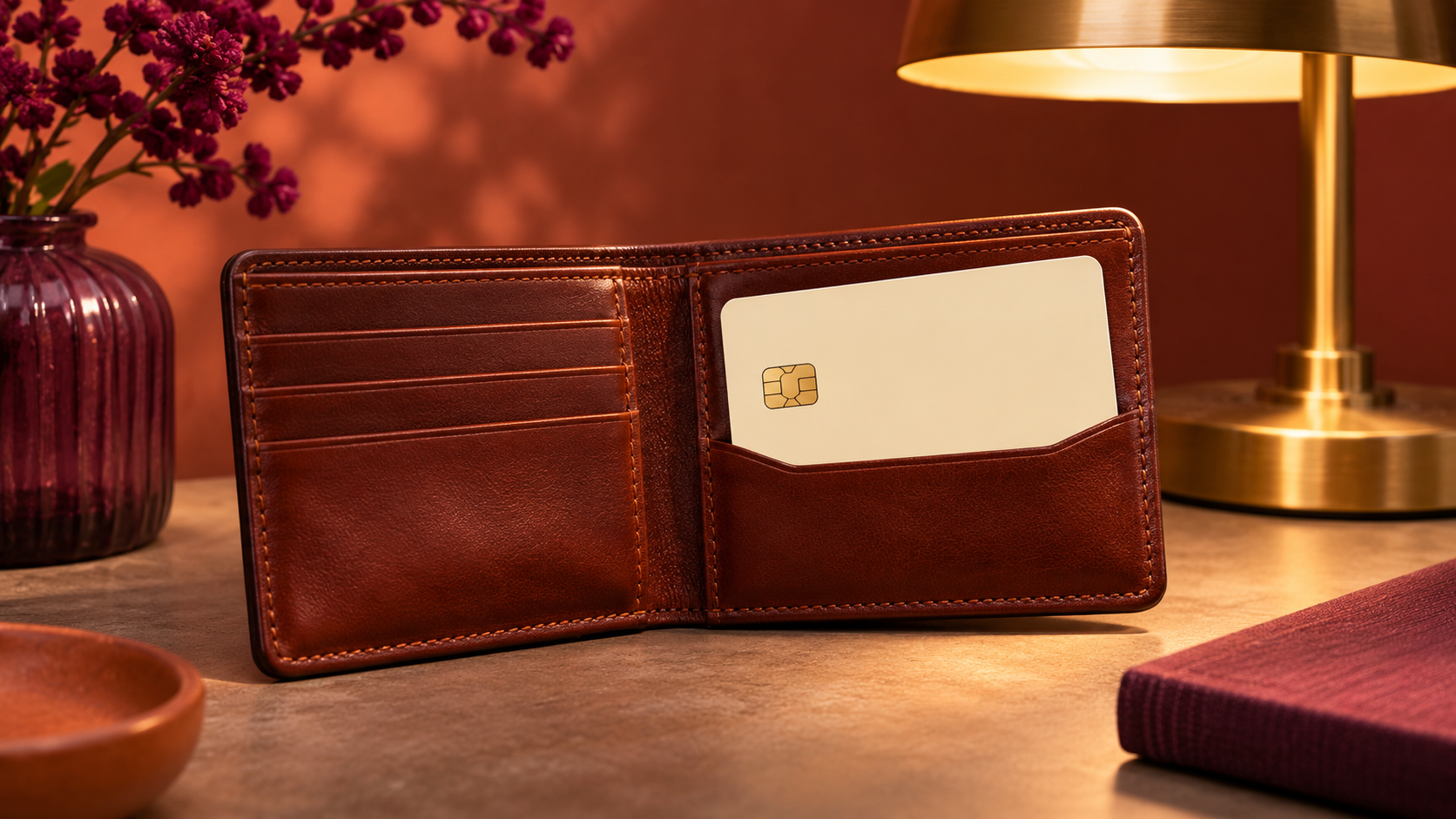
A debit card draws on money you already hold, while a credit card adds repayment obligations and possible interest. Confirm your card is enabled for online use and that your billing details match your account records, since mismatches often cause declines. Review your bank’s terms before depositing, and keep card details private.
Electronic wallets work differently because they sit between your bank and the operator. If you use a wallet such as Skrill, your funds move through that provider first, so the wallet’s own verification and limits apply before anything reaches your casino balance.
Make sure your wallet account is fully verified and registered in your own name. Some wallets restrict gambling merchants or require you to enable such payments. Also check whether your wallet supports the currency you intend to use, since conversion may occur at the wallet level.
Cryptocurrency options such as USDT behave unlike cards or traditional wallets. You typically send funds from a wallet you control to an address the operator provides, and you are responsible for selecting the correct network.
Sending the wrong coin type or network can result in permanent loss, so verify every detail before confirming. Crypto transactions are generally irreversible once broadcast. Keep records of transaction identifiers, and remember that the value of a cryptocurrency can change between sending and crediting.
Before committing funds, confirm which methods are actually available to you. Availability can depend on your country, currency, account status, and verification level, so a method shown in promotional material may not appear for your profile.
Log in and check the cashier section rather than relying on general descriptions. Read the current terms for deposit and withdrawal rules, because some methods may be accepted for deposits but not withdrawals, or vice versa. If a method is missing, ask support before attempting workarounds.
Think about how each method affects your overall account experience. Withdrawals may need to return to the same source used for deposits, which can matter if you used several methods. Some operators require a minimum level of verification before wallet or crypto withdrawals.
Keep your payment accounts in your own name and avoid shared or third-party accounts, which commonly trigger review. Where eligibility or method rules are unclear, refer to the operator’s current terms and confirm with support rather than assuming a method will work.
Timing Fees and Limits
Processing time is rarely a single number. A deposit may be credited quickly by the operator while your bank or wallet takes longer to release funds, and withdrawals often involve review before payment is sent. Do not assume a fixed schedule from a general description.
Check the cashier or help pages for current guidance, and remember that weekends, public holidays, and verification checks can extend timelines. If timing matters for a payment you have planned, confirm expectations with support before you transact.
Fees can arise at several points: your bank, your card network, your wallet provider, or the operator. A method that looks free at the casino may still carry charges from your payment provider, especially for currency conversion or international transfers.
Read the fee schedule attached to your specific method rather than a generic summary. For crypto, network fees and exchange spreads can apply. Keep in mind that fees reduce the amount that ultimately reaches your balance, so factor them into your planning.
Limits vary by method, account level, and currency. There may be minimum and maximum amounts for deposits and separate thresholds for withdrawals. These limits can change, and they may differ between a first transaction and later ones.
Check the current terms for the method you intend to use, and note that requesting an amount outside the permitted range can delay or block a transaction. If you plan a larger transaction, ask support in advance about any additional checks.
Verification affects both timing and limits. Operators commonly review identity and payment ownership before releasing withdrawals, and incomplete documents can pause a request. Submit clear, current documents when asked and ensure names match across your casino, bank, and wallet accounts.
Do not treat a pending status as a guarantee of a specific completion time. Where an operator states processing windows, read them as estimates subject to checks, not promises, and refer to current terms for the exact conditions that apply.
Keep your own record of each transaction so timing and fee questions are easier to resolve. Note the date, method, amount, currency, and any reference number the system provides. If a payment seems delayed, compare it against the operator’s stated process and your provider’s own timelines before raising a query.
Avoid repeating a transaction simply because it has not appeared yet, as duplicate attempts can complicate reconciliation. For definitive answers on timing, fees, and limits, consult the operator’s current terms and support team.
Ownership and Payment Security
Before you send money, confirm that the account you are paying into belongs to the operator and matches the details shown inside your logged-in cashier. A payment page reached through an email link or a search result can look convincing while directing funds elsewhere.
Type the site address yourself or use a saved bookmark, then verify that the session is secure before entering any card or wallet information. If anything about the recipient name or payment reference looks unfamiliar, stop and check with the operator using the contact route published on its own site.
Treat your casino login as the first layer of payment protection. Use a unique password that you do not reuse on email, banking, or wallet services, and enable any two-factor authentication the operator offers.
Keep your registered name, address, and date of birth consistent with the documents your bank and payment providers hold, because mismatches are a common reason withdrawals are held for review. Never share one-time codes, wallet seed phrases, or card verification numbers with anyone who contacts you, even if they claim to represent the operator.
Electronic wallet accounts deserve the same care as your casino account. Skrill and similar services often let you add an extra PIN or confirmation step before a merchant payment completes, and these settings are worth enabling.
If you fund a casino through a wallet, the wallet provider may hold its own verification requirements that sit alongside the operator's checks. Review the wallet's security settings and transaction alerts so an unexpected debit is visible quickly. Remember that wallet balances are not insured like bank deposits, so keep only what you need there.
Payment security also depends on the device you use. Keep your browser and operating system updated, avoid public or shared computers for transactions, and log out fully when you finish. A password manager reduces the temptation to reuse credentials across sites.
If you notice a login you do not recognise or a payment confirmation you did not initiate, change your password immediately and contact both the operator and your payment provider. Acting early gives you the best chance of limiting any loss and preserving a clear record of what happened.
Finally, understand who holds your money at each stage. When you deposit, funds move from your bank or wallet to the operator, and the operator's terms describe how balances are held and what verification is required before withdrawal.
Read the current terms for details on account ownership, accepted names, and any restrictions on third-party payments, because paying from an account in someone else's name can complicate both deposits and payouts. Eligibility rules vary by jurisdiction and by individual circumstances, so verify your own position rather than relying on general guidance.
Receipts and Missing Transactions
Keep a record of every payment you make. A screenshot of the confirmation screen, the reference number shown by your bank or wallet, and the date and time are usually enough to trace a transaction if something goes wrong.
Store these records somewhere separate from the device you gamble on, so you can still reach them if that device fails. For card payments, your statement may show a trading name that differs from the brand you recognise, so note exactly what appears on the statement once the payment clears.
If a deposit does not appear in your balance, resist the urge to repeat it straight away. Duplicate payments are harder to unwind than a single delayed one. Check your bank or wallet first to see whether the payment has actually left your account, then look for any pending status.
Some providers hold transactions for review, and the operator may only credit your balance once confirmation arrives. Give the process a reasonable window before escalating, and avoid opening multiple support tickets about the same payment.
When you contact support about a missing transaction, include the payment method, the date and time, the reference number, and the amount shown on your provider's record. Describe what you expected to see and what actually happened.
Clear, specific information shortens the investigation. Ask for a ticket or case number so you can follow up without repeating yourself. Keep copies of the conversation, and be wary of anyone who asks for your full card number or wallet credentials as part of a resolution.
Withdrawals need the same attention. Confirm that the destination account or wallet is in your own name and matches your verified details, since mismatches are a frequent cause of delays. Note the reference the operator provides when a withdrawal is processed, and compare it with what arrives.
If a payout is smaller than expected, check the current terms for any deductions or fees rather than assuming an error. Where timing or limits matter to your plans, verify the latest figures directly with the operator before relying on them.
If a transaction remains unresolved, escalate through the operator's formal complaints route and then, where available, the relevant dispute process for your payment method. Card providers and some wallets have their own chargeback or dispute procedures, though gambling-related payments may be excluded, so check before relying on that option.
Keep your records until the matter is closed. For any question about eligibility, verification, or how payments are handled, refer to the operator's current terms and published support channels. Gambling is for adults aged 18+ only. A random number generator (RNG) determines outcomes in RNG-based casino games. Wins are not guaranteed.
Independent support: Gambling Therapy.